
The Oils Africa Already Had
Marula, baobab, mafura, ximenia, shea. Long before the global hair industry discovered "exotic oils," African women were pressing them from the trees around them. A field guide to the continent's own apothecary.
✦ First Batch — launch pricing on every ritual · Free delivery in East London

The Journal

In the Kanem region of Chad, women wear hair to the waist — and have for generations. Not because it grows faster, but because of a powder, a butter, and a ritual passed from mother to daughter. The culture behind the compound.
Read the full article →
Marula, baobab, mafura, ximenia, shea. Long before the global hair industry discovered "exotic oils," African women were pressing them from the trees around them. A field guide to the continent's own apothecary.

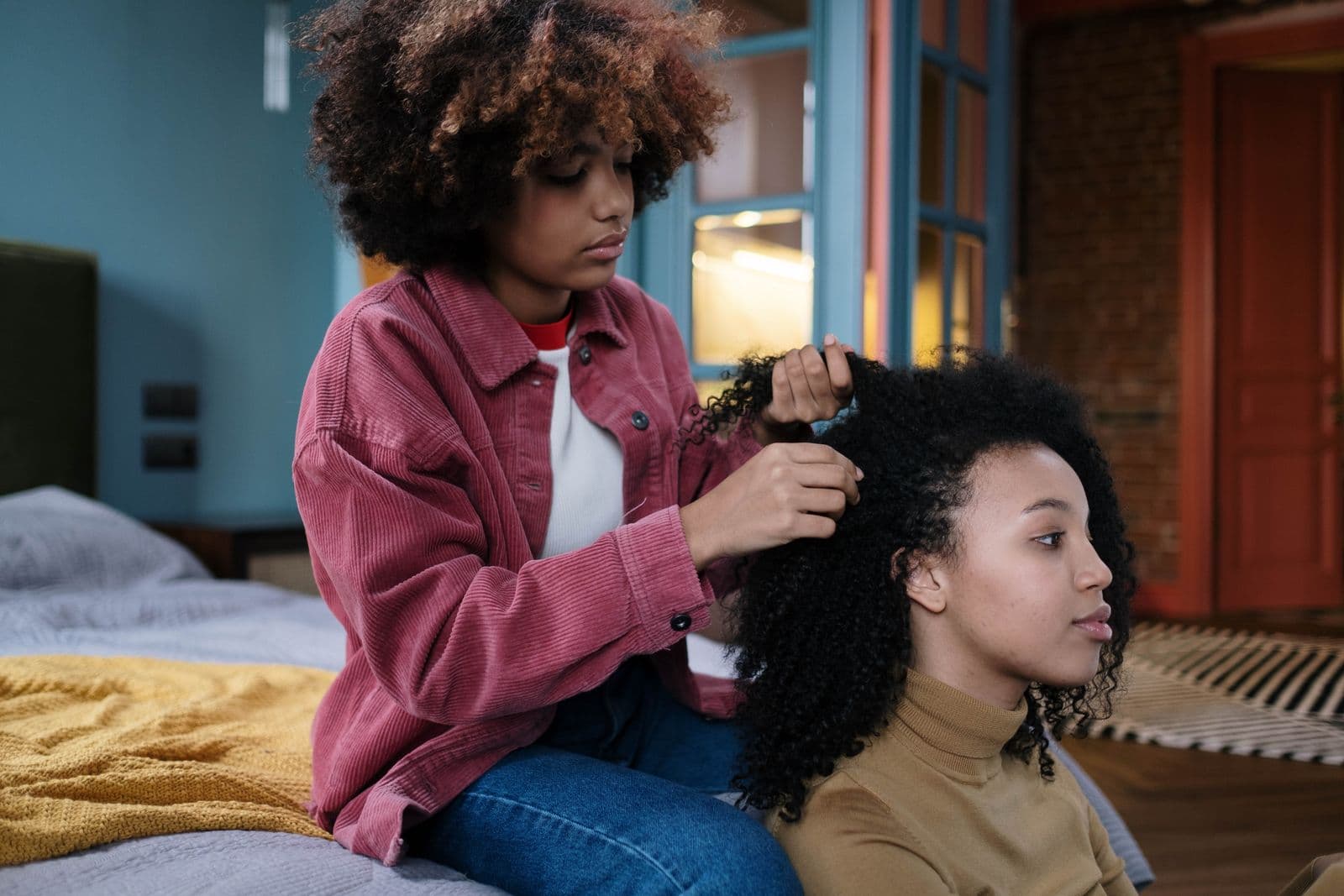
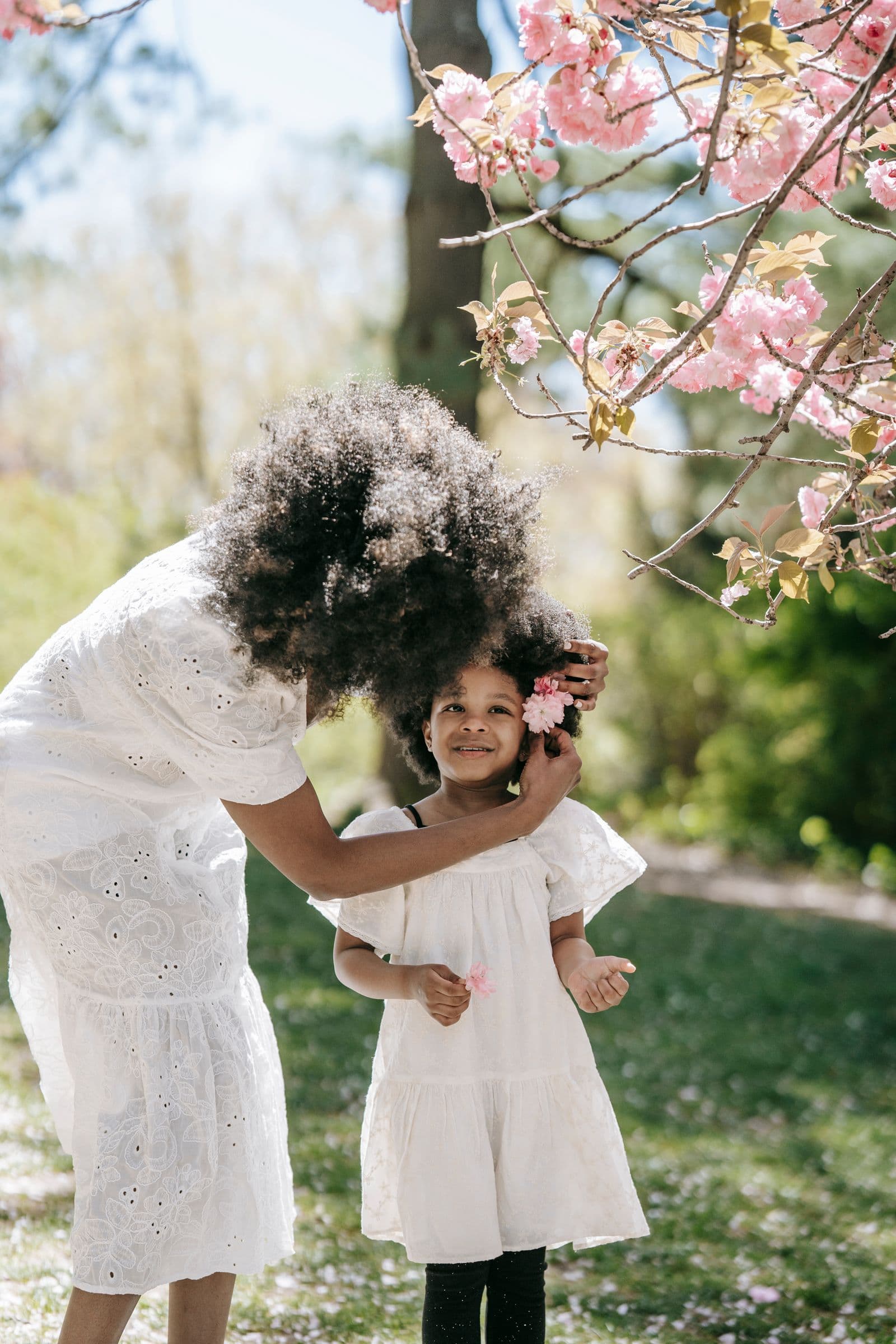
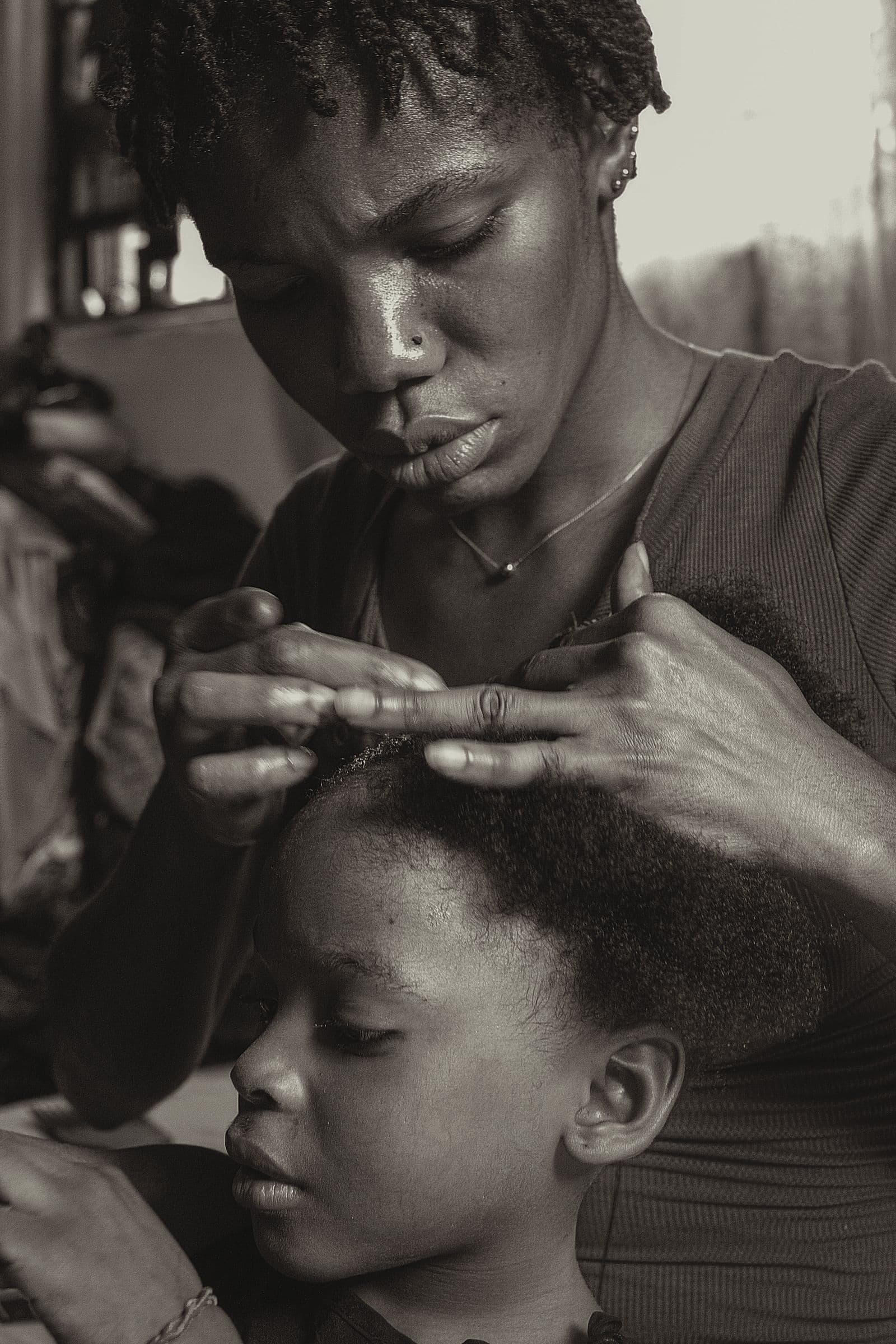
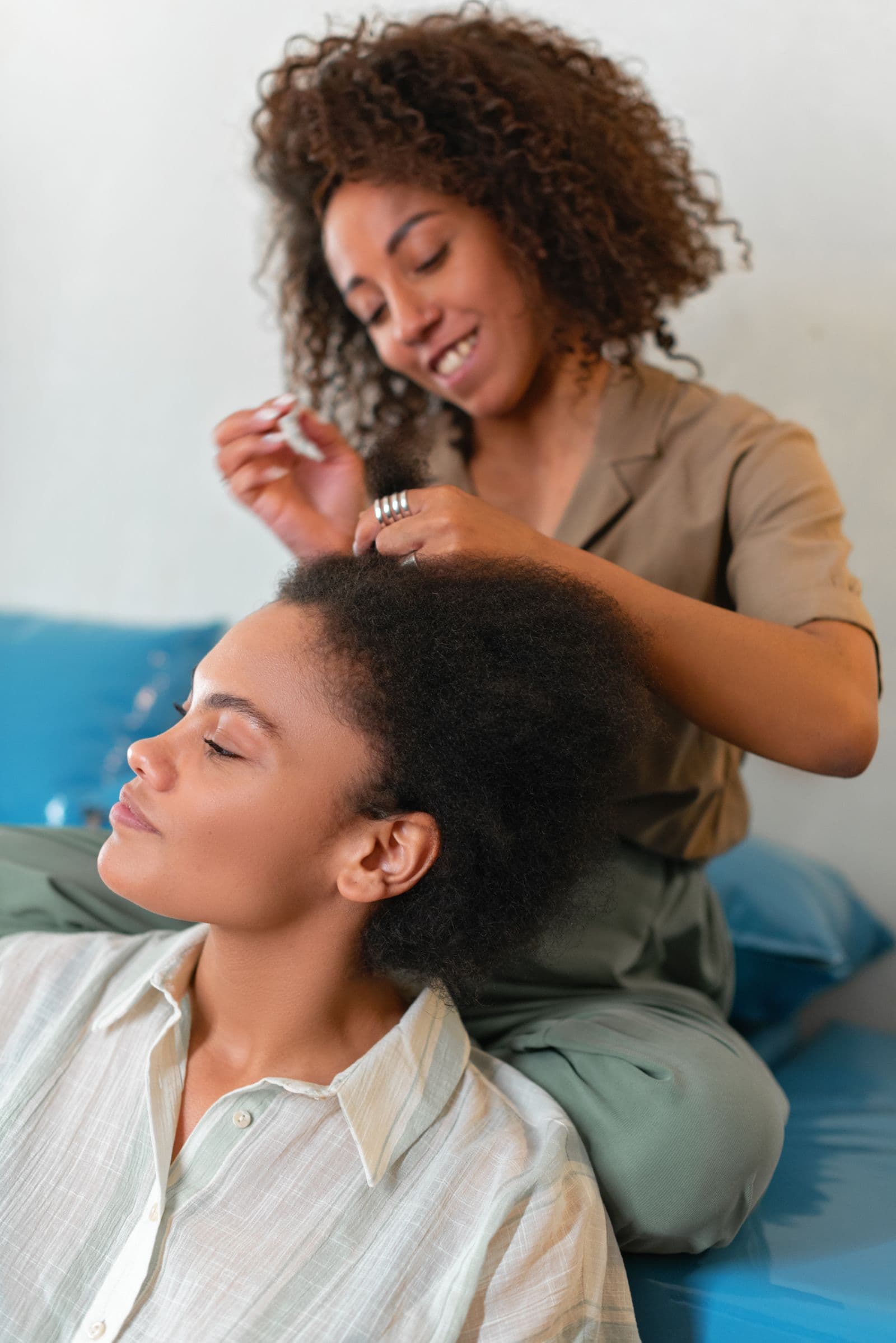
The floor between her knees. The smell of the oil. The Sunday that belonged to your hair. Before it was a chore to get through, wash day was an inheritance — and it still is.

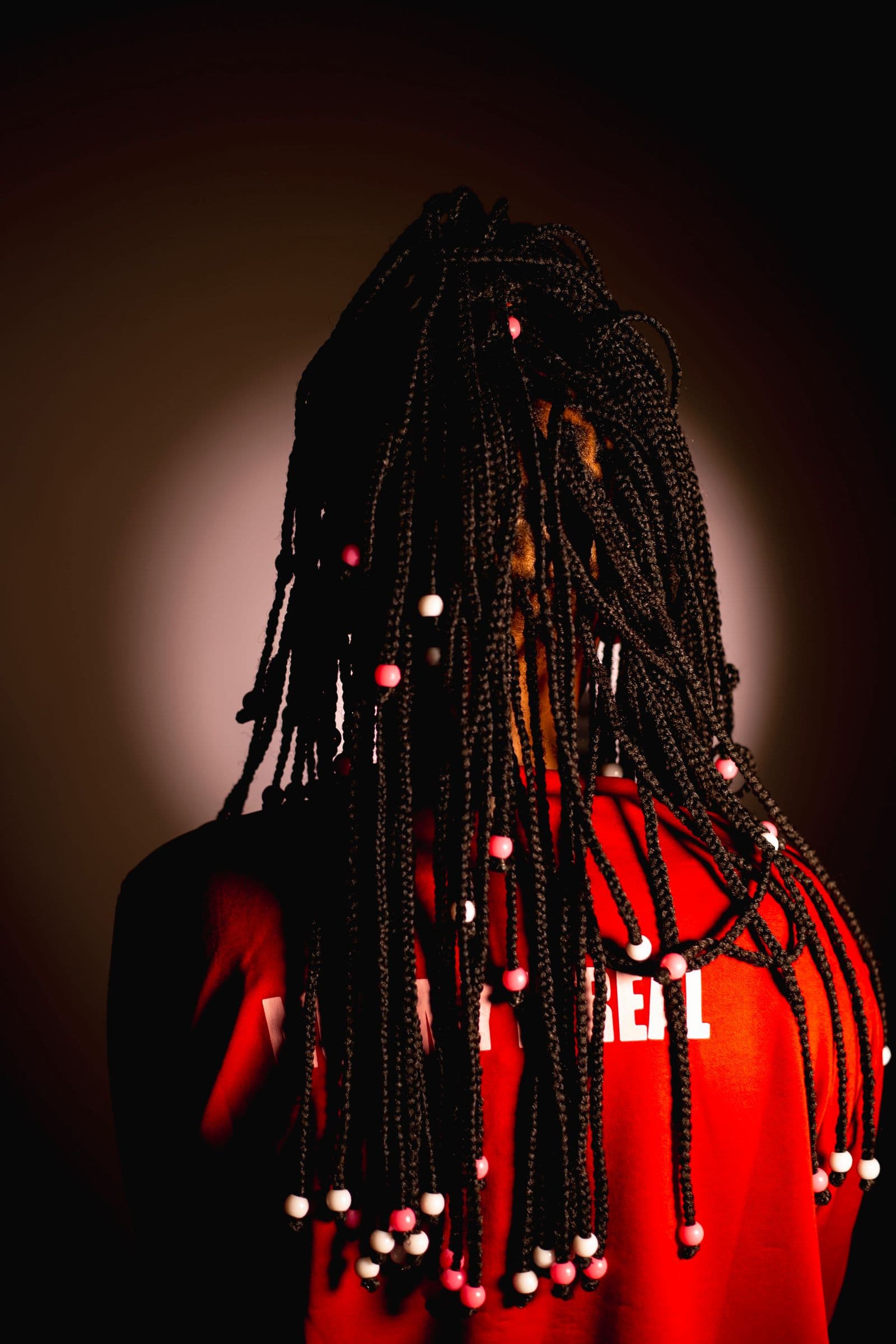
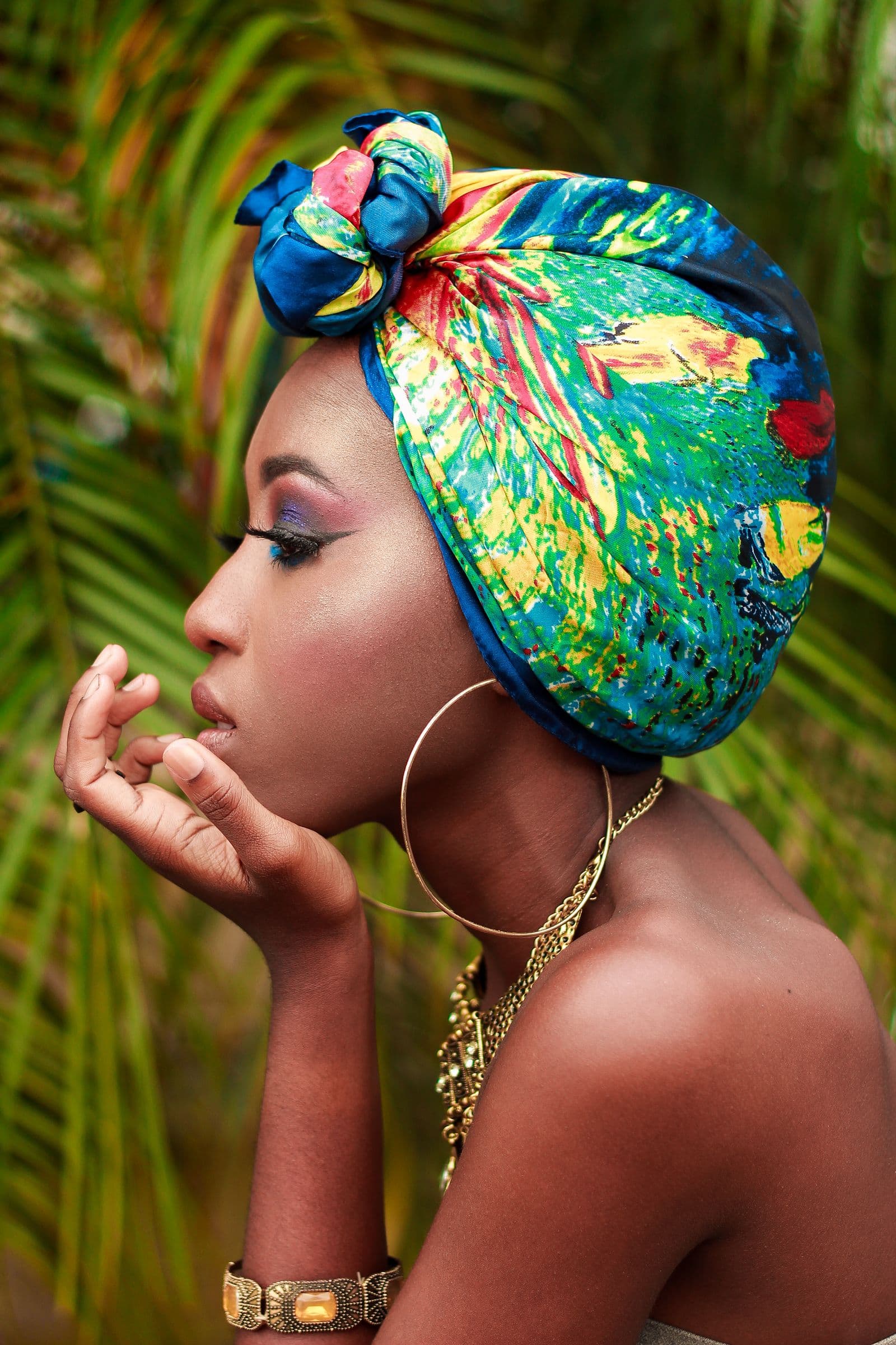
Across the continent, a hairstyle could announce a marriage, a season of grief, a coming of age, or a kingdom. Before words, the head spoke. A reading of African hair as the oldest social language we have.

Fairy knots are not random. They are a predictable consequence of curl geometry, dryness, and friction. Here is the biology and the prevention protocol.

Before they were a style, cornrows were a technology of survival — carrying seeds, hiding gold, and tracing escape routes in the grooves of a braid. The oldest hair pattern on the continent, and what it was really for.

The definitive how-to for new and returning customers. The LOC method applied to Sanyu products specifically — from pre-poo to nightly maintenance. Make it the ritual it is meant to be.

The Highveld in July is a different hair environment from the Cape in January. SA-specific seasonal care for Type 4 hair — what changes and why.

Braids and extensions protect the hair — until they don't. What tension alopecia looks like, the 6-8 week rule, and how to keep your scalp healthy while your hair is tucked away.

Mushy, limp, no elasticity. Snaps before it stretches. Both are problems — but the solutions are opposite. Learn to diagnose your hair before you treat it.

Your hair shrinks to 25% of its stretched length and you panic. The science says you should celebrate. Here is why shrinkage is one of the best things that can happen to your coils.

If you live in Johannesburg, Pretoria, or parts of the Western Cape, your tap water may be working against your hair. The mineral science, what it does to the shaft, and how to fix it.

The demarcation line breaks. The growth is dry. The ends are fragile. Here is an honest, science-backed guide to the 12–18 months that will change your relationship with your hair permanently.

Three months after birth, your hair starts falling out in handfuls. This is not damage. It is biology. Here is what is actually happening — and what the science says about recovery.

Washing without a pre-treatment strips more than you think. The science of surfactants, hygral fatigue, and how a pre-poo protects your hair shaft before the first drop of shampoo.

In many pre-colonial African societies, hair communicated everything: age, marital status, clan, grief, celebration. Colonisation disrupted this. Here is an attempt to trace what was there.

Nigella sativa has been used in medicine for over 2,000 years. Modern research is confirming what traditional healers have known. Here is why it is in our Signature Oil.

A healthy scalp is the foundation of everything. Most people treat scalp care as an afterthought. Here is why that needs to change, and what to do about it.

4A, 4B, 4C — the André Walker typing system is useful shorthand, but it misses almost everything that matters about curl care. Here is what to focus on instead.

Basara Arab women in Chad have maintained hip-length hair for generations using a paste made from chebe powder, clove, and animal fat. Here is the science behind why it works.

The next chapter
Heritage, plant science, and the practice of caring for Type 4 hair — sent only when there is something worth reading. No noise.