
The Oils Africa Already Had
Marula, baobab, mafura, ximenia, shea. Long before the global hair industry discovered "exotic oils," African women were pressing them from the trees around them. A field guide to the continent's own apothecary.
✦ First Batch — launch pricing on every ritual · Free delivery in East London
The Journal

In the Kanem region of Chad, women wear hair to the waist — and have for generations. Not because it grows faster, but because of a powder, a butter, and a ritual passed from mother to daughter. The culture behind the compound.
Read the full article →
Marula, baobab, mafura, ximenia, shea. Long before the global hair industry discovered "exotic oils," African women were pressing them from the trees around them. A field guide to the continent's own apothecary.

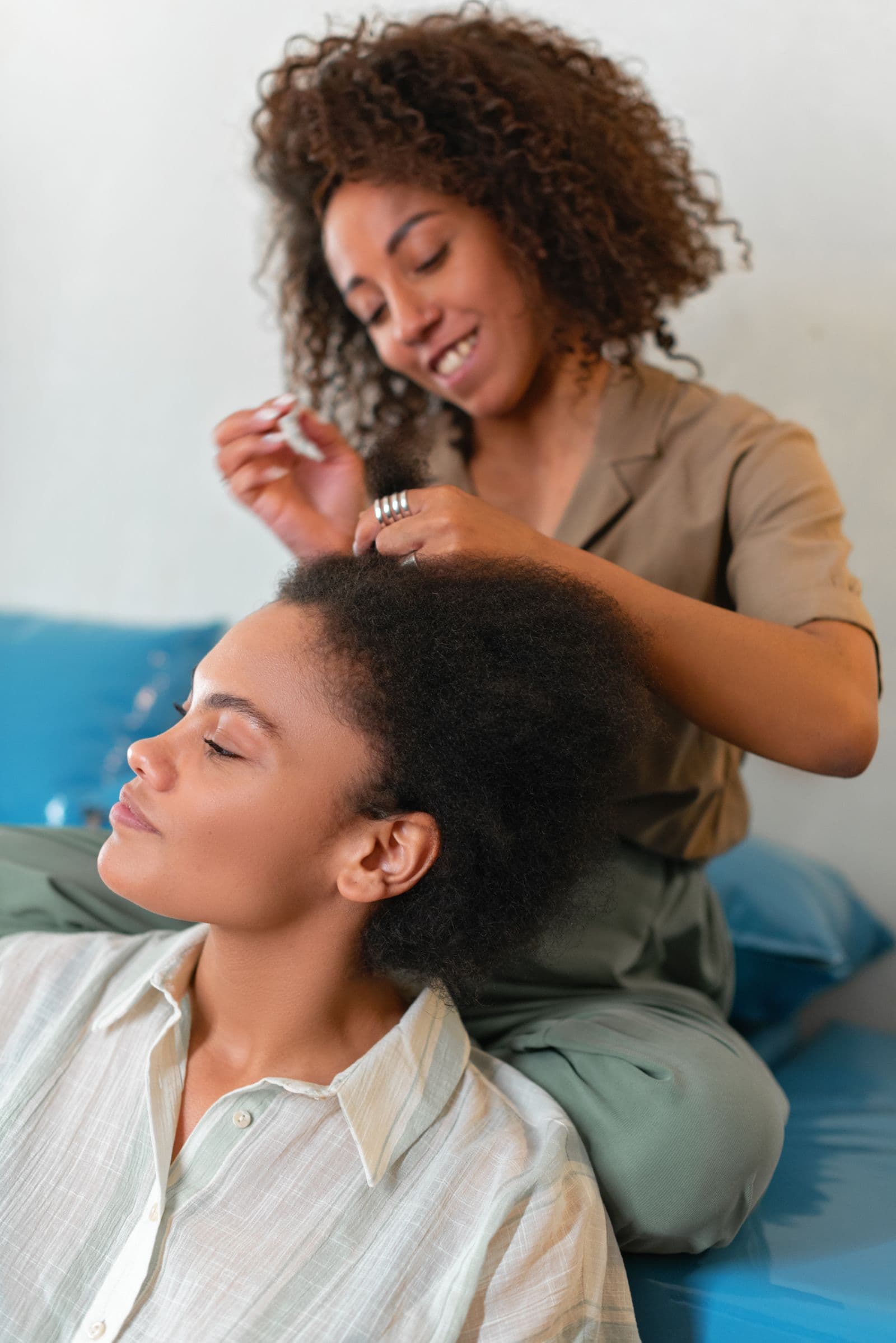
The floor between her knees. The smell of the oil. The Sunday that belonged to your hair. Before it was a chore to get through, wash day was an inheritance — and it still is.

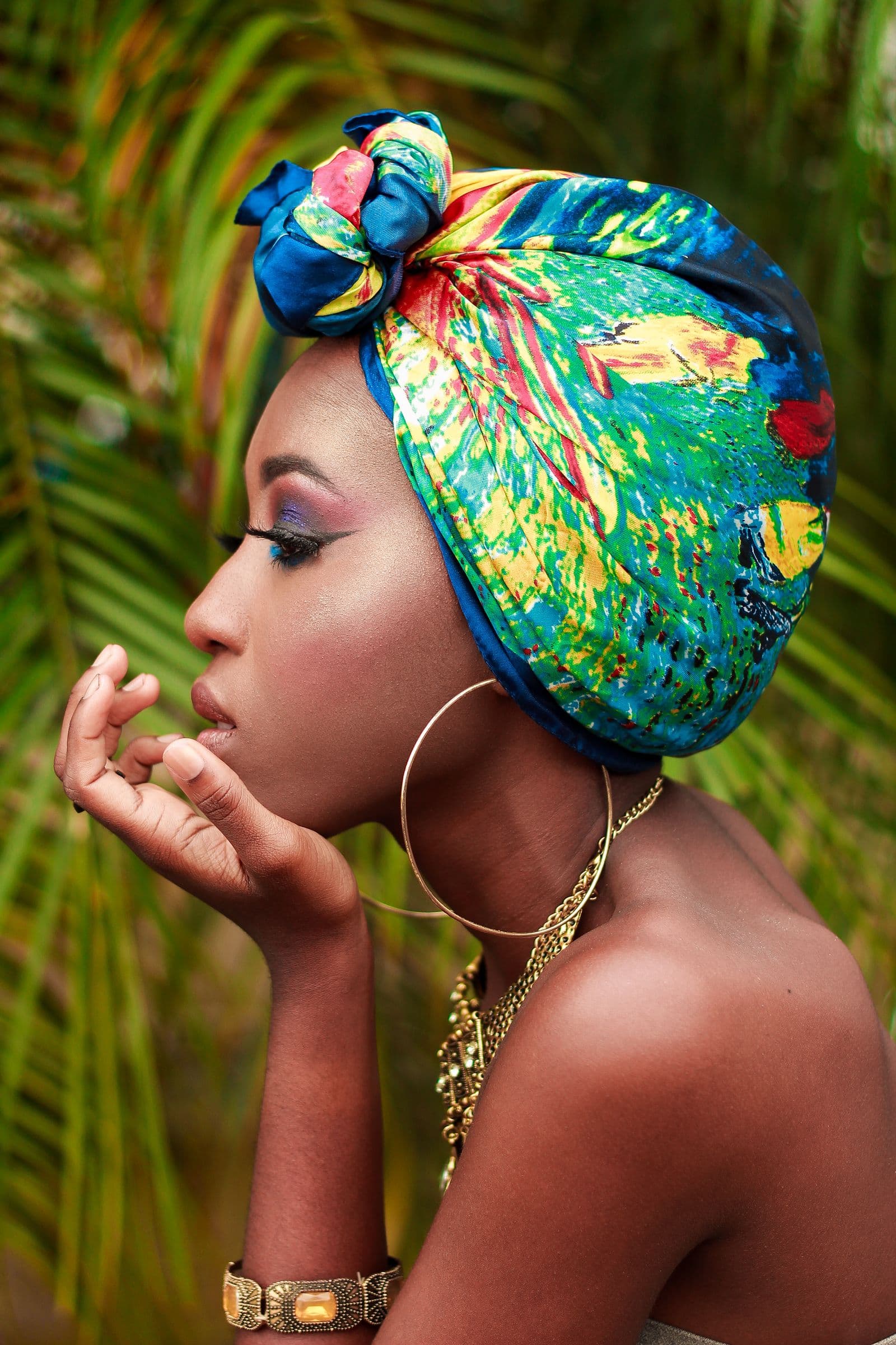
Across the continent, a hairstyle could announce a marriage, a season of grief, a coming of age, or a kingdom. Before words, the head spoke. A reading of African hair as the oldest social language we have.

Before they were a style, cornrows were a technology of survival — carrying seeds, hiding gold, and tracing escape routes in the grooves of a braid. The oldest hair pattern on the continent, and what it was really for.

In many pre-colonial African societies, hair communicated everything: age, marital status, clan, grief, celebration. Colonisation disrupted this. Here is an attempt to trace what was there.

Basara Arab women in Chad have maintained hip-length hair for generations using a paste made from chebe powder, clove, and animal fat. Here is the science behind why it works.

The next chapter
Heritage, plant science, and the practice of caring for Type 4 hair — sent only when there is something worth reading. No noise.